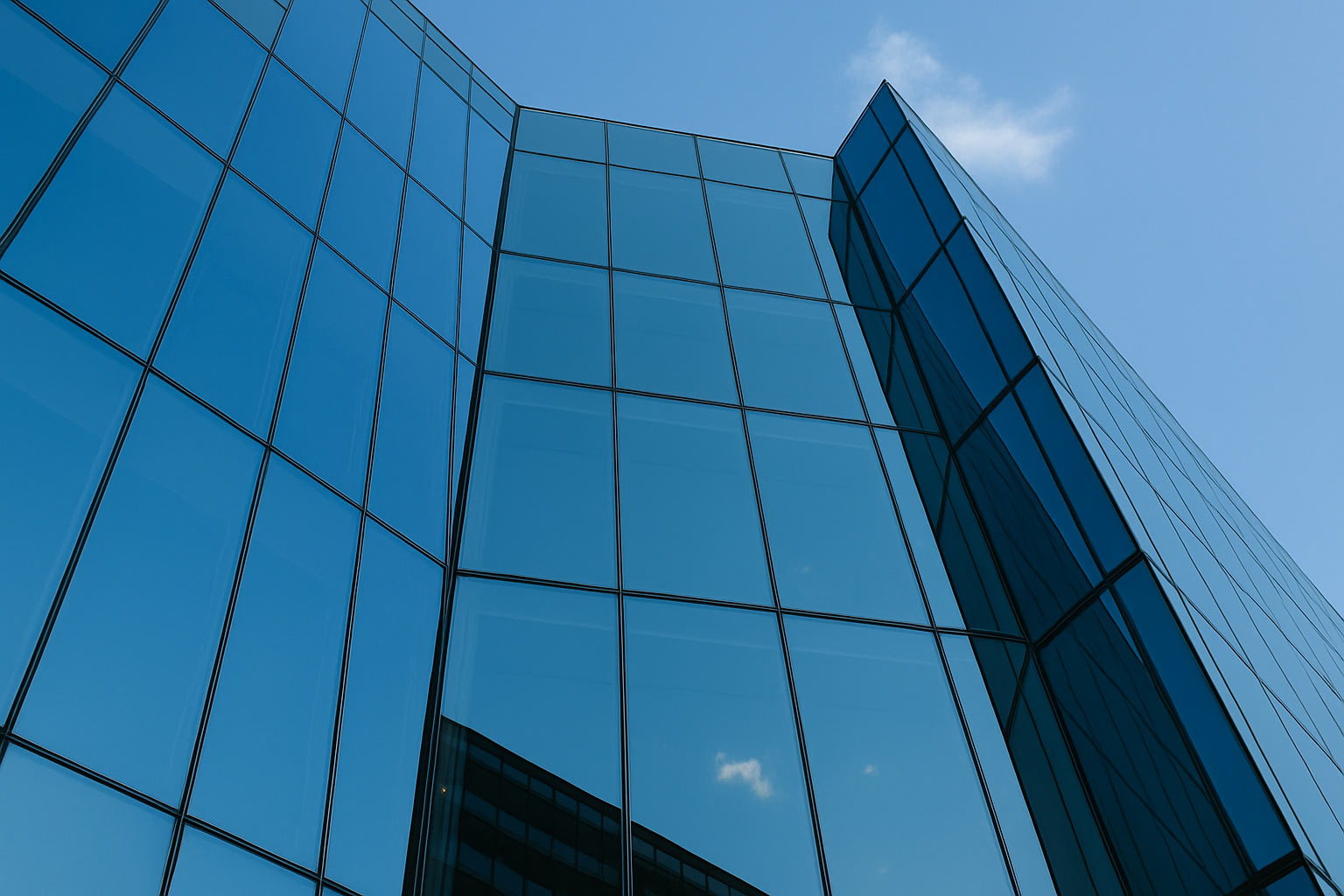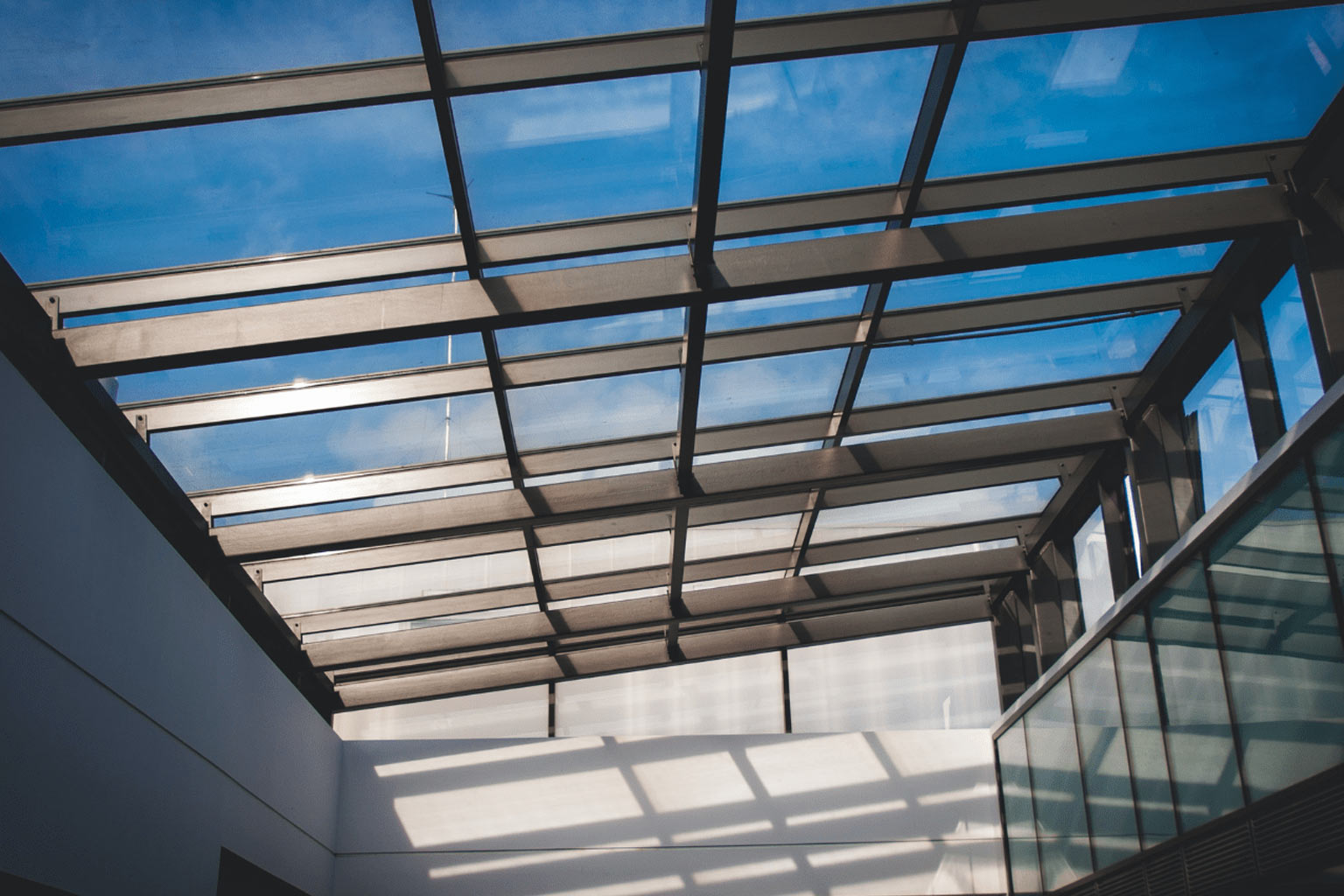
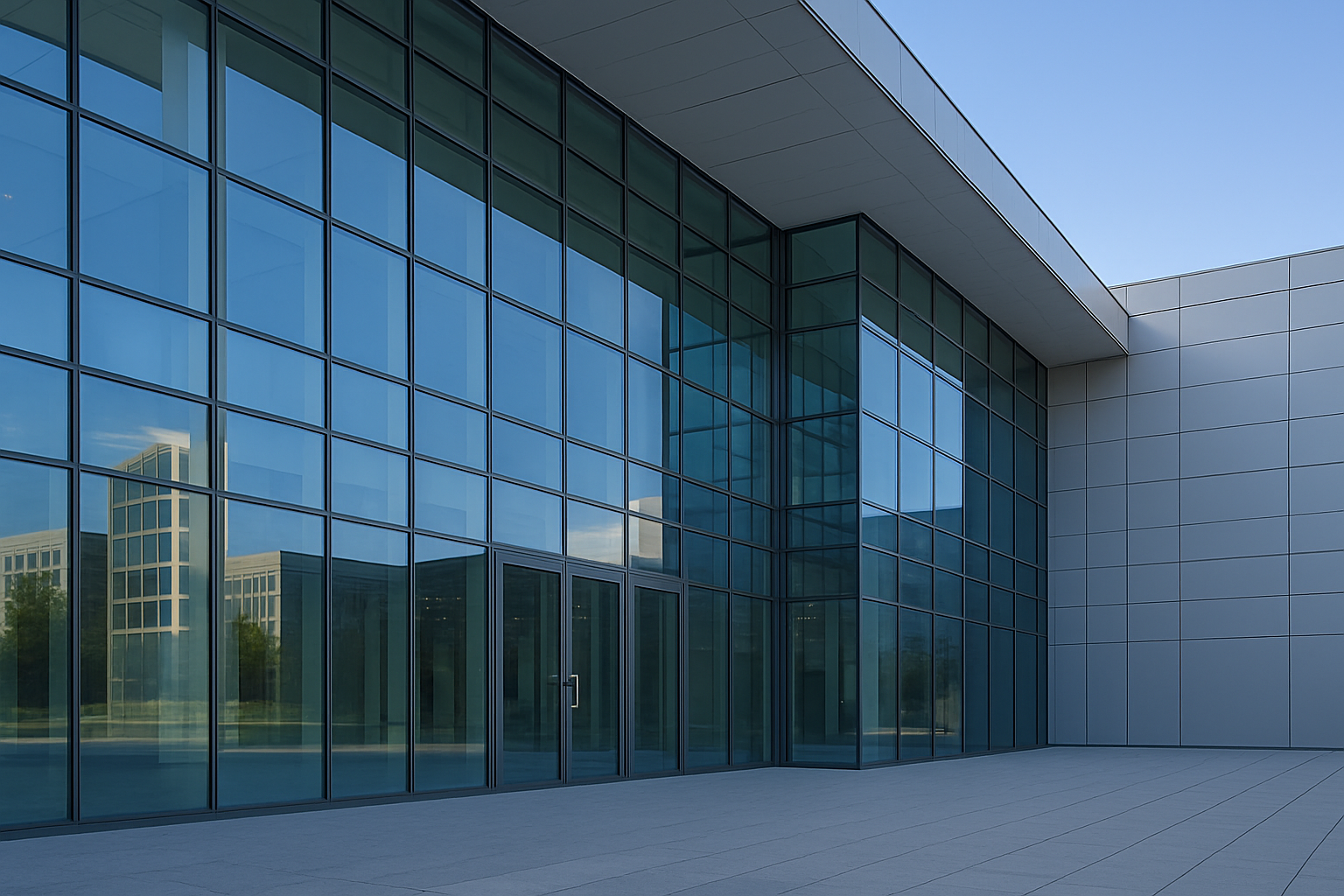
What is a Glass Facade?
Glass facade systems are architectural solutions where the exterior surfaces of buildings are largely covered with glass materials. In addition to their aesthetic appeal, they are frequently preferred in modern structures due to their ability to maximize natural light usage.
Advantages of Glass Facade Systems
- Natural Light Utilization
Glass facades allow maximum natural light to enter interior spaces. This reduces energy consumption while creating a bright and spacious atmosphere. - Aesthetic and Modern Appearance
Especially considered a symbol of prestige in commercial buildings, glass facades offer a contemporary and stylish look. - Thermal and Acoustic Insulation
Systems equipped with advanced double-glazing technologies help prevent heat loss and minimize external noise. - Durability and Safety
Systems made with tempered or laminated glass provide high resistance to impacts. They also offer additional safety against situations such as fire and earthquakes.
Where Are Glass Facade Systems Used?
- Plazas and Office Buildings
- Shopping Malls, Hotels, and Hospitals
- Residential Buildings and Residences
- Airports and Public Buildings
Types of Glass Facade Systems
- Structural Silicone
A system where facade glass is bonded to structural profiles using adhesive methods. No profiles are visible from the outside, providing a fully glass appearance. - Capped Glass Facade
A system where aluminum profiles hold the glass panels, creating a framed appearance from the outside. It offers cost-effectiveness and easy installation. - Spider (Point-Fixed) Glass Facade
Glass panels are connected using stainless steel fittings (spider arms). Transparency and a minimal design are prioritized.
Key Considerations in Glass Facade Systems
- The correct glass type and thickness should be selected.
- The building and climate conditions must be properly analyzed.
- Insulation and installation details should be handled professionally.
- Technical support should be obtained from authorized and experienced companies.